 Jejje
Jejje
Ceramic coating for wheels is often marketed as a one-time investment against everything from brake dust to grime. The question is whether it lives up to its promises - and for whom it's actually worth the money.
What does a ceramic coating do on a wheel?
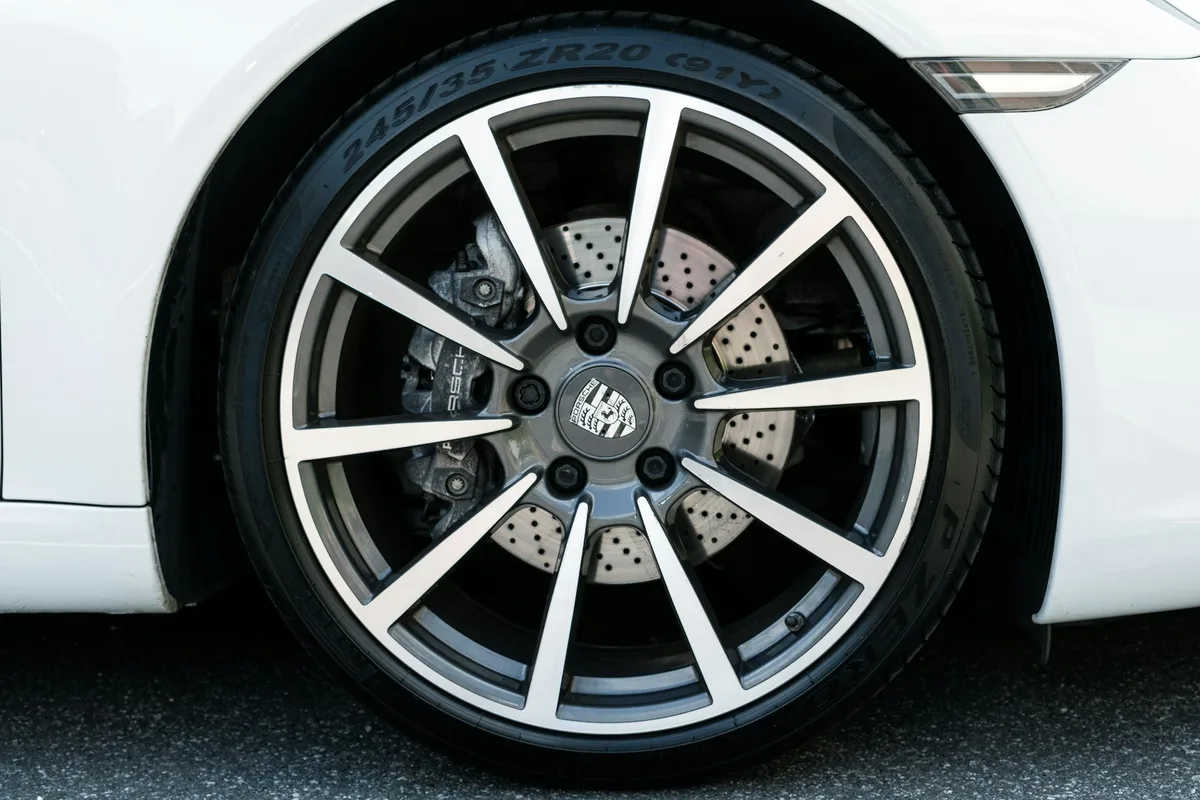
A ceramic wheel sealant lays down a hard, glass-like layer on top of the wheel's clear coat. The layer makes the surface more chemical-resistant and water-repellent, meaning dirt, brake dust and road salt have a harder time sticking and rinse away more easily at the next wash. Many also notice that the wheel feels smoother to the touch and retains its shine longer between washes.
The benefits
- Significantly easier cleaning - dirt and brake dust sit loosely instead of etching into the surface.
- Extra protection against road salt and chemicals, particularly valuable during winter.
- A hydrophobic surface that makes water and dirt run off more easily.
- Some additional scratch resistance thanks to the harder layer.
What do the sceptics say?
Among car enthusiasts, opinions are divided. A common argument is that a ceramic wheel sealant doesn't always last as long as manufacturers claim, and that the protection often needs maintaining with a ceramic quick sealant or quick wax every three to six months to retain full effectiveness. Wheels are also subject to far harsher treatment than the paint on the bodywork - stone chips, extreme heat from the brakes and constant contact with brake dust - meaning the coating wears faster there than on the rest of the car.
Another common argument concerns time versus benefit: application often takes several hours per wheel with proper prep, degreasing and cure time, and for someone who already washes the car and wheels regularly, the practical difference can feel less dramatic than the marketing suggests.
When is it worth it?
Ceramic coating on wheels suits you best if you already invest time in regular car care and want to reduce the time spent scrubbing off ingrained brake dust. It's also particularly useful before a tough winter, when road salt and chemicals would otherwise wear hard on the wheel's surface. For someone who does a quick wash once a month without more thorough wheel care, the investment will probably deliver less return.
A relatively simple alternative is to combine a thorough clean - preferably with iron remover for brake dust - with a simpler, cheaper ceramic quick sealant as maintenance, rather than immediately investing in a full professional coating.
- Clean and degrease the wheel thoroughly before application - otherwise the coating won't bond properly.
- Allow the coating to cure for at least seven days before the first wash after application.
- Maintain the protection with a ceramic quick sealant every three to six months.
- Avoid directing a pressure washer straight at the wheel rim in the first few days after application.
- See the coating as a complement to regular cleaning, not a replacement for it.
Summary
Ceramic coating on wheels makes a real difference when it comes to resistance against brake dust, road salt and chemicals, but it's not something that makes wheels maintenance-free forever. For someone who is already careful about their car care and wants to save time on cleaning, it's often worth the investment - for someone who washes the car less frequently, a simpler, cheaper quick sealant can give almost the same benefit at a fraction of the cost.