 Jejje
Jejje
A frozen car door on a cold morning is both irritating and can damage the seal if you pull too hard. With a few minutes of care a couple of times a year, you keep the rubber seals supple, tight and ice-free. Here's how simple it is.
Why rubber seals need attention
The rubber seals around doors, the boot and windows do a quiet but important job. They keep out water, draughts and noise. Over time the rubber dries out from sun, cold and cleaning chemicals, and becomes brittle. Dried-out rubber cracks more easily, seals less well and also absorbs moisture that freezes in winter. That's when the door gets stuck.
The good news is that prevention is both cheap and quick. With the right product, rubber regains its suppleness and gets a surface that repels water - which is exactly what you want before the cold arrives.
Step by step
1. Clean the seals first
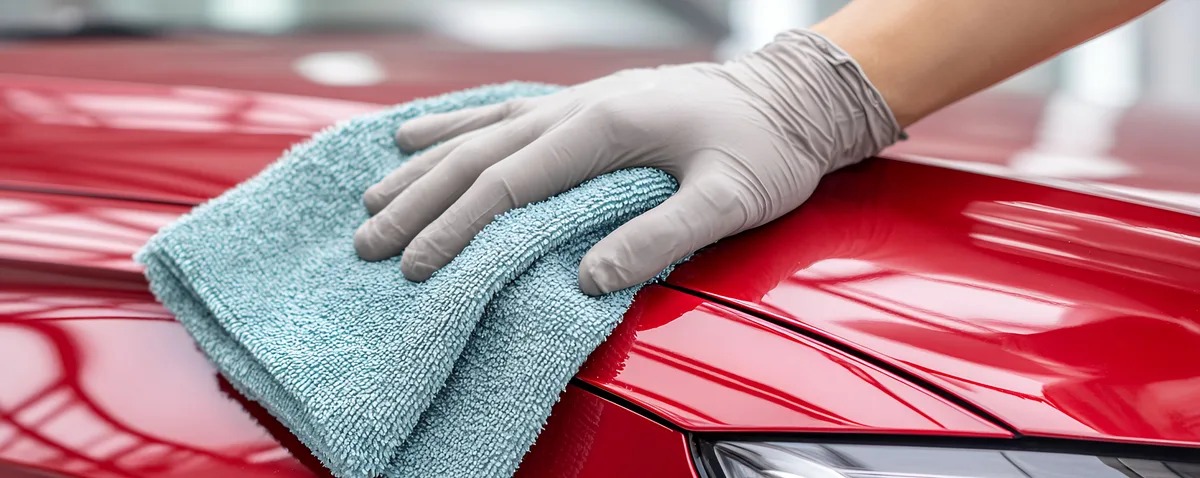
Wipe down the seals with a damp cloth and a little mild all-purpose cleaner to remove dust, pollen and old grime. The care product should be applied to clean rubber - otherwise you're just sealing in the dirt. Allow the seals to dry before moving on.
2. Choose the right product
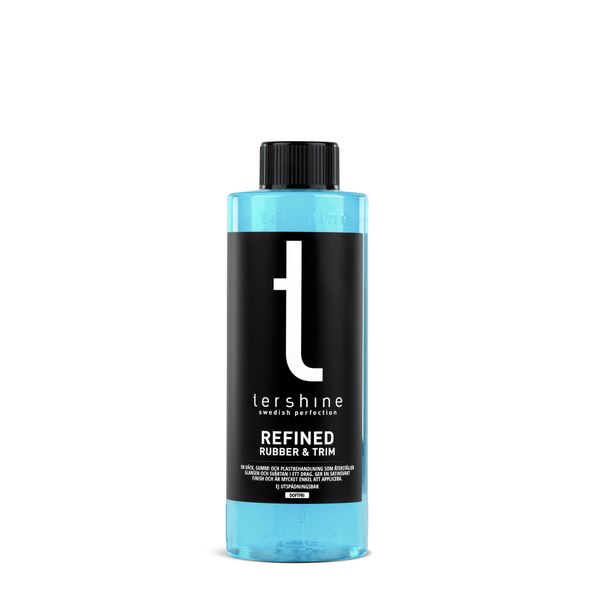
Use a product designed for rubber. Tershine Refined works on rubber seals and plastic details and gives a nice, matte finish. Good rubber seal conditioners and silicone-based products are widely available from automotive accessories retailers. Avoid using plain oils, which can cause rubber to swell over time.
3. Apply thinly and evenly
Apply the product to a cloth, a sponge or directly with an applicator, and stroke along the entire seal. A thin, even coat is enough. The goal is for the rubber to feel soft and lightly satin-matte - not wet and sticky.
4. Wipe off excess
Go over the seals once more with a clean, dry cloth to remove any excess. If too much product is left behind it can smear onto the paint or your clothing when you get in. A little, well-worked-in is better than a lot.
Keep seals in top condition
- Treat rubber seals before winter - that's when they need it most.
- Use products designed for rubber, not cooking oil or Vaseline.
- Always wipe off excess so it doesn't smear onto paint and clothing.
- If the door freezes shut: pull the handle gently and steadily, never yank.
- One treatment usually lasts several months - feel whether the rubber is getting dry again.
More seals than you might think
When we say rubber seals, most people think of the doors, but the car has more seals that benefit from the same attention. The boot and bonnet seals also sit against paint and can freeze shut, and the seal around the fuel cap is easy to forget until the cap sticks one cold morning. Take the opportunity to go around the whole car while you're at it - it only takes a minute or two extra and you avoid unpleasant surprises in unexpected places.
Also think about the window scraper seals - the rubber where the glass disappears into the door. They collect a lot of grime and can be freshened up with a damp cloth, but be sparing with greasy products exactly there so it doesn't smear onto the window when you wind it up and down.
Why specifically before winter?
You can treat the seals at any time, but autumn is the natural moment. That's when the rubber needs to face cold, moisture and the constant fluctuation between plus and minus degrees that causes ice to form. Supple, water-repellent rubber absorbs less moisture and therefore has less to freeze. Apply a treatment in October or November and you're set for the whole winter, with a quick top-up mid-season if the rubber starts to feel dry again.
If the door has already frozen shut
If the worst has happened and the door is stuck, avoid pulling. Yanking hard can tear the seal from the body. Instead try pushing the door gently inward to break the ice seal, or warm along the seal with the palm of your hand or lukewarm water. Once the door opens, take the opportunity to dry the seal and apply a rubber care product so it doesn't happen again.
How to tell when the rubber needs attention
You don't need a gauge to know when it's time - your fingers will do. Stroke along the seal and feel. Healthy rubber is soft, slightly yielding and feels almost silky after treatment. Dried-out rubber feels dry, hard and sometimes slightly powdery, and may have small cracks in the surface if you look closely. If you see cracks, the rubber is already on its way to becoming brittle, and it's high time to treat it before it starts letting in water and draughts.
Another clear signal is noise. If a door or window starts to whistle or squeal at speed, it can be because a dried-out seal is no longer sealing properly. A round of rubber care often fixes this too, because the seal regains its suppleness and lies tight against the body again.
Common questions
Can I use regular silicone spray? It works in the short term and makes the rubber slippery and water-repellent, but many sprays contain solvents that can dry out the rubber over time instead. A product specifically designed for rubber care is a safer long-term choice.
How often should I do it? For most people, once in autumn and a top-up sometime during winter if the rubber feels dry is enough. If you drive a lot and wash the car frequently - which rinses off the protection - it may be needed a little more often. Feel the rubber; it will tell you when it's thirsty.
Summary
Rubber seals are easy to forget but rewarding to maintain. Clean them, apply a thin coat of rubber care and wipe off the excess - and they'll stay supple, seal better and stop freezing shut in winter. A few minutes a couple of times a year, with an extra round in autumn, saves you both frozen mornings and cracked seals.